
Are you struggling with delayed shipments or unexpected kitchen equipment breakdowns? Many distributors make critical mistakes when choosing a supplier, which hurts their business profit and ruins customer trust.
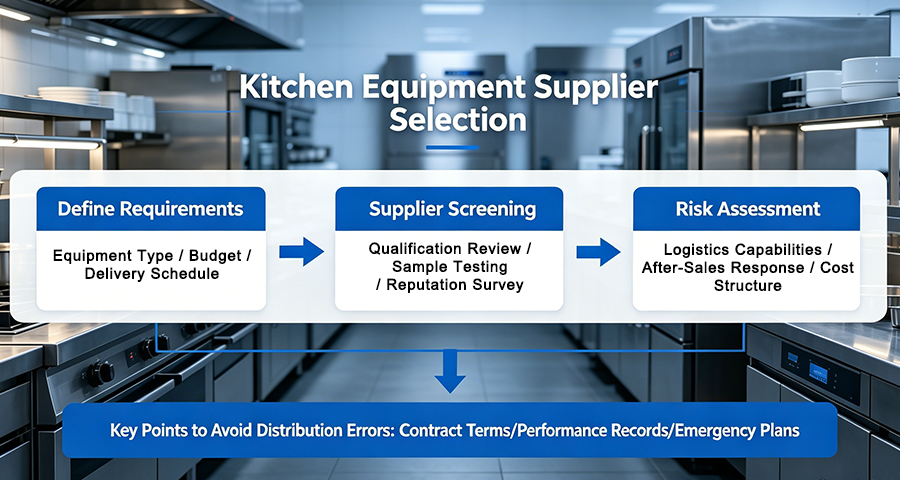
To choose the right commercial kitchen equipment supplier, distributors must verify the factory’s direct manufacturing status, check production capacity, calculate total cost of ownership, and ensure compliance with local certifications. This protects your supply chain, keeps your prices competitive, and ensures long-term business growth.
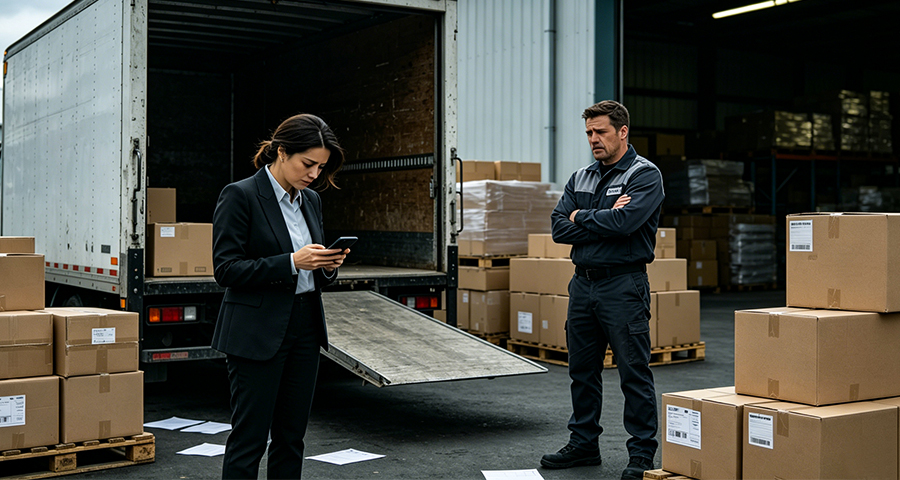
When I first started working with European buyers, many told me horror stories about their past suppliers. They lost thousands of dollars just because of simple selection errors. If you want to stop losing money and protect your distribution business, you need to read further.
Are You Confusing Trading Companies with Direct Manufacturers?
Are you tired of paying extra middleman fees and waiting days just to get a simple answer about a product change? Many buyers think they are dealing with a real factory when they are actually talking to a trading company.
Confusing trading companies with direct manufacturers results in higher procurement costs, delayed communication, and limited product customization. Buying directly from a factory eliminates middleman markups, gives you direct access to technical engineers, and allows you to customize equipment features to fit your specific market needs.
In my experience, dealing with a middleman always slows down your business growth. When a technical issue happens, the trading company must call the factory, wait for an answer, and then translate it back to you. This long loop causes massive delays for your customers. To help you see the clear differences, I broke down how these two types of suppliers affect your business operations below.
Direct Impacts on Distributor Operations
| Key Factors | Direct Manufacturers | Trading Companies |
|---|---|---|
| Product Unit Cost | Factory price without hidden markups | Higher price due to middleman commissions |
| Response Speed | Instant technical answers from engineers | Slow replies because they must ask the factory |
| Customization Ability | High flexibility for design and parts | Very low or impossible to change designs |
When you buy directly from a source, you control your budget better. You can also request specific changes to the stainless steel thickness or the cooling system parts. This direct control makes a huge difference when you try to win big local projects.
Why Are You Overlooking Factory Capacity and Lead Time Stability?
Did your last supplier promise a four-week delivery time but actually shipped the goods two months later? Overlooking the actual production power of your supplier can completely break your local supply chain.
Overlooking a factory’s production capacity and lead time stability causes severe supply chain disruptions during peak demand periods. If your supplier cannot deliver products on time, your clients will cancel their orders, your warehouse will sit empty, and your business reputation in your country will be ruined.
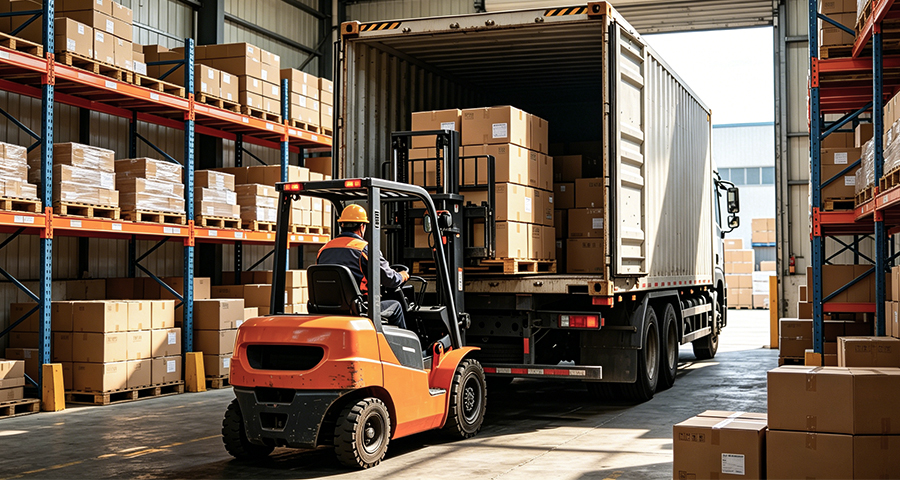
I know how frustrating it is when a container does not arrive on schedule. Your clients are waiting for their refrigeration units or cooking lines, and you can only tell them to wait. This happens because many small workshops accept big orders that they cannot handle. You must analyze the supplier’s factory structure to avoid these bottlenecks.
Production Risk Analysis
- Peak Season Bottlenecks: Small factories lack automated machines, so they slow down when orders flood in.
- Raw Material Shortages: Stable suppliers buy steel and compressors in huge bulks, so they never run out of parts.
- Labor Dependency: Look for factories that use robotic welding and cutting machines, because they do not suffer from labor shortages.
How Capacity Affects Delivery
| Supplier Size | Monthly Output | Average Lead Time | Delivery Reliability |
|---|---|---|---|
| Small Workshop | Less than 500 units | 45 to 60 days | Very low during peak season |
| Large Automated Factory | Over 5,000 units | 20 to 30 days | High and predictable |
Are You Falling for the Lowest Price Trap Instead of TCO?
Are you choosing your kitchen equipment based only on the cheapest quote in your inbox? Buying the lowest-priced machine often ends up costing you double the money within the first year of operation.
Falling for the lowest price trap instead of calculating the Total Cost of Ownership leads to unexpected maintenance, repair, and energy expenses. Cheap equipment uses low-grade stainless steel and poor compressors, which break down quickly and force you to spend more money on spare parts.
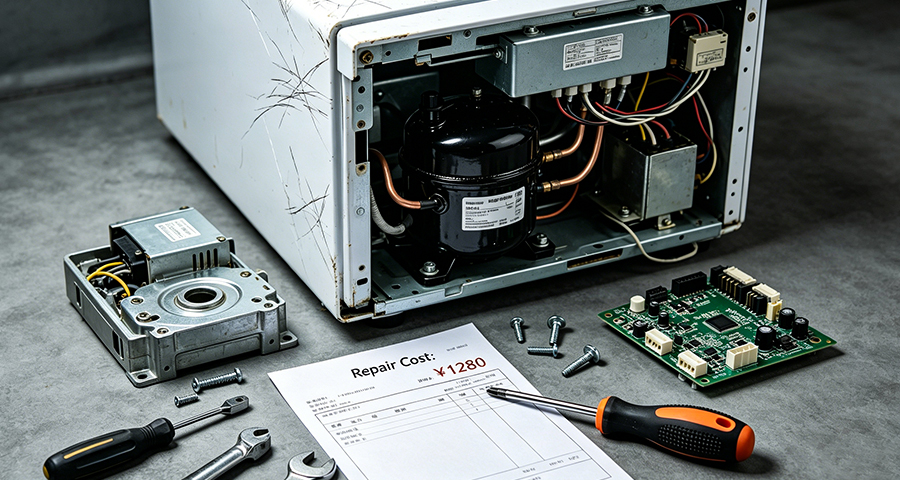
A low initial price tag is very tempting, but it is a trap. I have seen buyers purchase cheap refrigeration equipment, only to find out that the units consume twice the amount of electricity. Their customers got angry because of high energy bills and constant gas leaks. You must look at the total cost over three to five years.
Understanding True Equipment Costs
| Expense Type | Cheap Equipment Choice | Quality Equipment Choice |
|---|---|---|
| Initial Purchase Price | Very low upfront investment | Standard market price |
| Energy Consumption Rate | High power usage due to poor insulation | Low power usage with thick insulation |
| Yearly Repair Costs | High frequency of part replacements | Minimal maintenance needed |
| Total Cost over 3 Years | Extremely high total cost | Much lower total cost |
When you explain Total Cost of Ownership to your buyers, they understand that quality saves them money. It is better to pay a fair price upfront than to pay for constant repair technicians later.
Why Are You Neglecting Global Safety and Hygiene Certifications?
Are you risking your entire business by importing kitchen machinery that does not have the right paperwork for your country? Skipping the certification check can get your goods seized at the customs border.
Neglecting global safety and hygiene certifications risks non-compliance with local health regulations and potential legal liabilities. Without proper certificates like CE, ETL, or NSF, you cannot sell the equipment to large corporate buyers, and local government inspectors can shut down your clients’ kitchens.
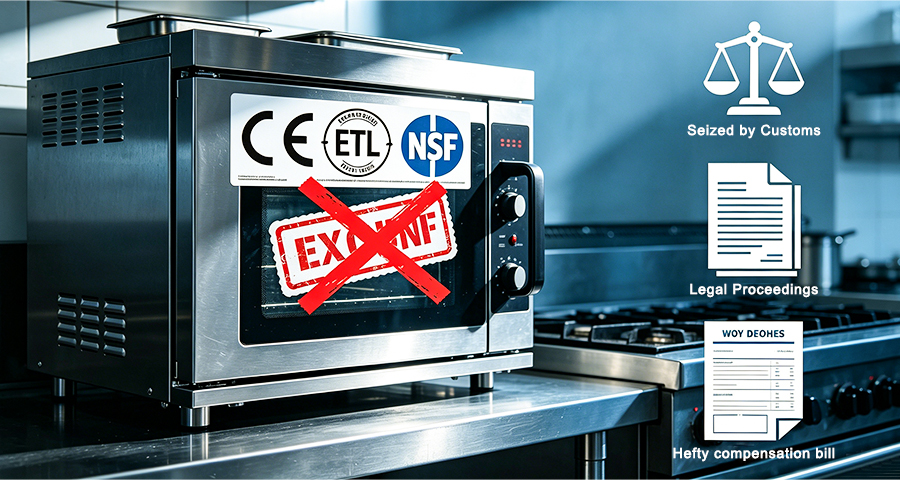
I always remind my European friends that safety rules are getting stricter every year. If a wire melts or a compressor catches fire, and the machine lacks official certificates, the insurance company will not pay a single cent. You could face huge lawsuits.
Critical Certifications for Key Markets
- European Market: You must look for valid CE certificates and RoHS compliance for all electronic parts.
- North American Market: Look for ETL or UL marks for electrical safety, and NSF marks for food hygiene standards.
- Middle East Market: Ensure the supplier can provide SABER documentation to clear customs smoothly.
Certification Requirements by Product Type
| Product Category | Core Safety Requirement | Primary Required Certificate |
|---|---|---|
| Refrigeration Units | Gas safety and energy levels | CE / ETL / RoHS |
| Gas Cooking Equipment | Gas leak prevention valves | CE / Gasitec |
| Stainless Steel Tables | Food contact safety | NSF / Food Grade Material Test |
Are You Treating the Supplier as a Vendor, Not a Strategic Partner?
Do you only talk to your supplier when you want to place an order or complain about a broken part? If you treat your factory as a simple shop, you miss out on the best business advantages.
Treating the supplier as a mere vendor rather than a strategic partner diminishes the quality of after-sales support and limits joint business growth opportunities. A strategic partner shares market trends, protects your local selling territory, and prioritizes your orders during busy seasons.
I treat my long-term distributors like family. When we develop a new type of heavy-duty fryer or an energy-saving fridge, we send the first prototypes to our partner distributors for free. We want them to lead their local market before anyone else does.
Moving from Vendor to Partner Relationship
| Partnership Level | Communication Style | Business Benefits |
|---|---|---|
| Basic Vendor | Transactional emails only | No price discounts, no tech support |
| Strategic Partner | Regular video calls and market updates | Exclusive territory rights, priority shipping |
When you build a deep relationship with a factory owner, they will support you when times are tough. They will adjust payment terms or hold stock in their warehouse just to help your cash flow.
Are You Buying Equipment Without Verifying the Spare Parts Supply?
What happens to your customer when a small fan motor breaks, and your supplier tells you that the replacement part takes six weeks to arrive? Your customer’s restaurant closes down, and you lose their business forever.
Failing to verify a localized supply chain for proprietary spare parts drastically increases machine downtime during unexpected mechanical breakdowns. You must choose a supplier that uses internationally recognized component brands or provides a free kit of wear-and-tear parts with every bulk container.
This part of the business trips up almost everyone. Buyers look at the shining stainless steel exterior, but they forget to ask about the internal components. If the factory uses strange, unbranded switches or custom-sized valves, you will never find replacements in your local market.
Component Selection Strategy
- Cooling Systems: Choose units that use famous compressor brands like Danfoss, Embraco, or Secop because you can buy them anywhere.
- Electrical Parts: Ensure the contactors and switches are standard parts so your local electricians can fix them instantly.
- Free Spare Parts Kits: Always negotiate with the factory to include extra gaskets, heating elements, and thermostats inside your main shipment container.
Spare Parts Availability Impact
| Part Sourcing Type | Machine Downtime | Customer Satisfaction |
|---|---|---|
| Custom Factory Parts | 2 to 6 weeks shipping delay | Very low, causes complaints |
| Global Brand Parts | Less than 24 hours local pickup | High, builds business loyalty |
Conclusion
Choosing the right kitchen equipment supplier requires checking direct factory status, production stability, true total costs, and certificate validity to build a profitable, hassle-free distribution business.